
Orthodontics in Santa Monica
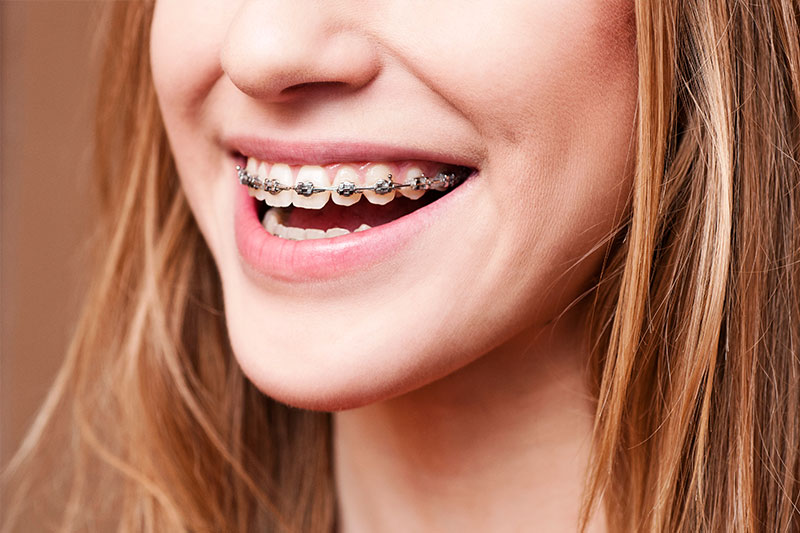
Orthodontics are an excellent way to straighten your teeth. While orthodontic treatments are used to straighten teeth for an enhanced smile, they can also help restore functionality to teeth, jaw, and bite.
The American Association of Orthodontists (AAO) recommends that all children should have an evaluation with an orthodontist by the age of 7 regardless of how many teeth have erupted.
This is because orthodontists are able to predict any structural changes that may occur as your child gets older. Addressing such structural changes with braces can save your child’s smile and also prevent any additional dental issues down the road.
Adults Use Orthodontics As Well
Types of Orthodontics:
Traditional Metal BracesThese are the most common form of braces. They are highly efficient at correcting complications with a smile.
Invisalign®They are clear in color, removable, and can work as effectively as traditional metal braces. They are removable and easy to manage in terms of maintenance, brushing, and flossing.
Discuss Your Options Today!
Based on your budget and needs, we will be able to guide you in the right direction so that you are one step closer to obtaining the smile of your dreams. If you have any questions regarding orthodontics or if you want to schedule an evaluation or appointment, then please call our office at 310-453-4488.
Frequently Asked Questions
1. What is orthodontics?
Orthodontics is the branch of dentistry focused on diagnosing, preventing, and correcting misaligned teeth and jaws. Treatment typically involves braces, clear aligners, or retainers to gradually move teeth into their proper positions, improving both function and appearance.
2. At what age should my child have an orthodontic evaluation?
The American Association of Orthodontists recommends an evaluation by age seven. At this point, enough permanent teeth have erupted to identify potential issues early. Early assessment does not always mean early treatment, but it allows us to monitor development and plan ahead.
3. Are braces only for children and teenagers?
Not at all. Adult orthodontic treatment has grown significantly in recent years, largely due to the popularity of clear aligners. Many adults seek orthodontic care to correct long-standing issues or to address teeth that have shifted over time.
4. What is the difference between traditional braces and clear aligners?
Traditional braces use metal brackets bonded to the teeth with wires adjusted over time. Clear aligners like Invisalign use a series of removable transparent trays to gradually shift teeth. Both are effective; the best option depends on the complexity of your case, lifestyle, and personal preference.
5. How long does orthodontic treatment typically take?
Treatment length varies based on the severity of the case. Minor corrections may take as little as six months, while comprehensive treatment often takes one to two years. Dr. Sadat will provide a personalized estimate after a thorough evaluation.
6. Does orthodontic treatment hurt?
It is common to experience mild soreness or pressure for a few days after getting braces fitted or after adjustments. This discomfort is temporary and usually manageable with over-the-counter pain relievers and soft foods. Clear aligners tend to cause less discomfort than traditional braces.
7. Will I need to wear a retainer after treatment?
Yes. Retainers are a critical part of maintaining your results. After active treatment, teeth have a natural tendency to shift back toward their original positions. Most patients wear retainers nightly long-term to preserve their smile.
8. Can orthodontics fix my bite as well as straighten my teeth?
Yes. Orthodontic treatment addresses both the alignment of individual teeth and the relationship between the upper and lower jaws. Correcting an overbite, underbite, crossbite, or open bite is a central goal of comprehensive orthodontic treatment.
9. Are clear aligners as effective as braces?
Clear aligners are highly effective for mild to moderate orthodontic issues and have improved significantly in their ability to treat more complex cases. Traditional braces remain the preferred option for severe misalignment or complicated bite corrections. Your provider will recommend the best approach for your case.
10. How do I care for my teeth during orthodontic treatment?
Maintaining excellent oral hygiene is especially important during treatment. Brush after every meal, floss daily using a floss threader or orthodontic flosser, and avoid hard, sticky, or chewy foods that could damage braces. Aligner wearers should remove trays before eating and drinking anything other than water.
11. What foods should I avoid with braces?
Avoid hard foods like nuts, hard candy, and crusty bread, as well as sticky foods like caramel, chewing gum, and gummies. These can bend wires, break brackets, or get stuck in your appliances. Cutting food into small pieces and chewing carefully will help protect your braces.
12. What causes teeth to become crooked?
Crowded or misaligned teeth can result from genetics, early loss of baby teeth, prolonged habits like thumb-sucking, jaw size, or mouth breathing. In many cases it is simply a matter of the teeth having more or less space than needed to erupt in a straight line.
13. Is orthodontic treatment covered by insurance?
Many dental insurance plans include an orthodontic benefit, typically a lifetime maximum that applies toward braces or aligners. Coverage varies widely by plan. Our team will help you understand your benefits and explore financing options if needed.
14. What is two-phase orthodontic treatment?
Two-phase treatment involves an early intervention phase during childhood (usually ages seven to ten) followed by a second phase of comprehensive treatment in adolescence. The goal of phase one is to guide jaw development and create adequate space for permanent teeth, reducing the complexity of later treatment.
15. Can orthodontics improve my oral health as well as my appearance?
Absolutely. Straight teeth are easier to clean, reducing the risk of cavities and gum disease. Correcting bite problems can relieve jaw pain, reduce abnormal tooth wear, and improve chewing efficiency. The aesthetic benefits are a welcome bonus alongside the functional improvements.