
Implants vs. Dentures: What Works Best for Missing Teeth?
Missing teeth can affect much more than the appearance of a smile. Gaps in the mouth may make chewing difficult, alter speech patterns, and allow surrounding teeth to shift out of position. Over time, tooth loss can also contribute to changes in facial structure and jawbone density. Replacing missing teeth can help restore oral function, appearance, and confidence.
Among today’s most common missing teeth solutions are dental implants and dentures. Both treatments are designed for tooth replacement, but they differ significantly in how they work, how they feel, and what patients can expect over time. Understanding these differences can help patients make informed decisions about their oral health.
Patients considering dental implants in Santa Monica often want to know which treatment will provide the best combination of comfort, appearance, durability, and long-term value. When comparing these teeth replacement options, factors such as oral health, lifestyle preferences, treatment timeline, and budget should all be considered.
Also Read: Cosmetic Dentist in Santa Monica: Advanced Smile Design, Veneers, and Dental Implants
What Are Dental Implants?
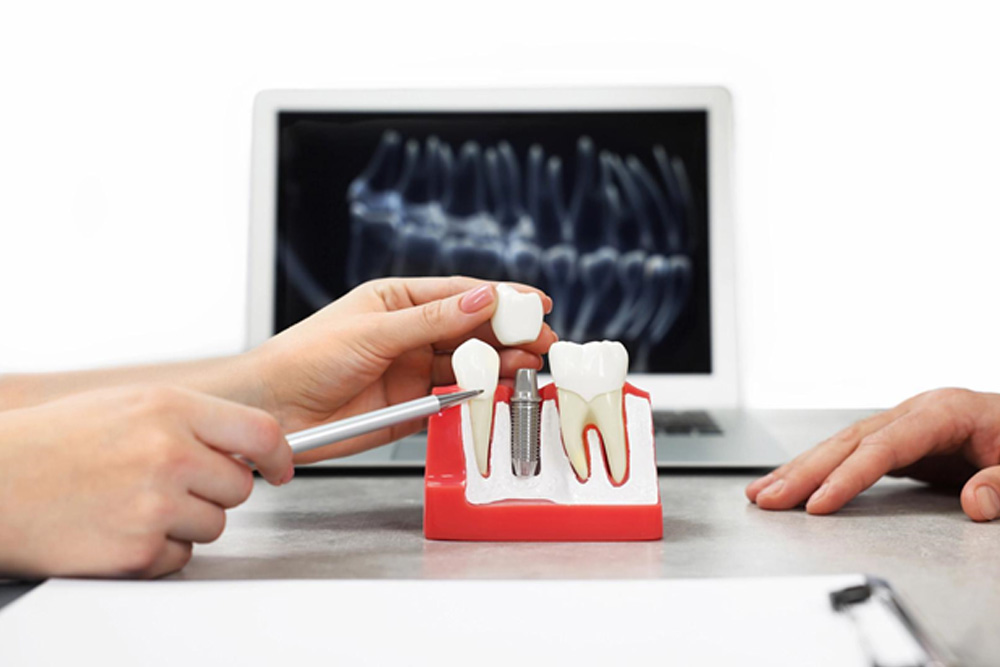
Dental implants are artificial tooth roots that are surgically placed into the jawbone. Typically made from titanium, implants fuse with the surrounding bone through a process called osseointegration. Once healing is complete, a custom dental crown is attached to the implant to replace the visible portion of the missing tooth.
Unlike many other forms of dental restoration, implants replace both the root and crown of a missing tooth. This design allows them to function similarly to natural teeth while supporting the surrounding oral structures.
Benefits of Dental Implants
Dental implants are fixed and secure, meaning they remain firmly in place during daily activities. Patients do not need to remove them for cleaning, and they do not rely on neighboring teeth for support.
Another advantage is their natural appearance and function. Implant-supported crowns are custom-made to blend with surrounding teeth, helping patients achieve a seamless smile while enjoying strong chewing ability.
Dental implants also help prevent jawbone loss. Because they replace the tooth root, they provide stimulation to the jawbone during chewing, helping maintain bone volume after tooth loss.
What Are Dentures?
Dentures are removable appliances designed to replace missing teeth and surrounding gum tissue. Depending on the extent of tooth loss, patients may receive either full dentures or partial dentures.
Full dentures replace an entire upper or lower arch of teeth, while partial dentures fill spaces when some natural teeth remain. Dentures have been used successfully for decades and continue to serve as a reliable tooth replacement solution for many patients.
Benefits of Dentures
One of the primary advantages of dentures is that they provide a non-surgical treatment approach. Patients who prefer to avoid oral surgery may find dentures appealing.
Dentures also have a lower upfront cost than implants in many cases, making them accessible for patients seeking a more affordable treatment.
In addition, dentures can be suitable for extensive tooth loss, including patients who need replacement for an entire arch of teeth as part of a full mouth restoration plan.
Dental Implants vs. Dentures: Key Differences
When evaluating implants vs. dentures, patients should consider several important factors.
Stability and Comfort
Dental implants are anchored directly into the jawbone, allowing them to remain fixed in place. This stability often contributes to a more natural feel during daily activities.
Dentures rest on the gums and may shift while speaking or eating. Some patients use adhesives to improve retention and comfort.
Comfort is one of the most important considerations when choosing between implants and dentures. While individual experiences vary, many patients appreciate the secure feeling provided by dental implants.
Eating and Speaking
Dental implants typically provide stronger chewing ability than dentures. Because they are anchored within the jawbone, implants allow patients to enjoy a broader range of foods.
Dentures can restore chewing function, but certain foods may remain more difficult to eat. New denture wearers may also experience temporary speech adjustments while adapting to their appliance.
For many patients, eating comfort and speaking ability are two of the most important factors when comparing implants and dentures.
Jawbone Health
One major difference between implants and dentures involves jawbone preservation.
Dental implants stimulate the jawbone in a way that resembles a natural tooth root. This stimulation helps reduce bone loss following tooth extraction or tooth loss.
Traditional dentures do not replace tooth roots and therefore do not help preserve jawbone density. As bone changes occur over time, denture fit may also change.
Maintenance and Longevity
Dental implants are designed as a long-term dental restoration. With proper care and regular dental visits, implants can remain functional for many years.
Dentures require routine maintenance, periodic adjustments, relining, and eventual replacement as oral tissues change.
One of the most common questions patients have is how long implants and dentures typically last. While individual results vary, dental implants generally last longer than traditional dentures when maintained properly.
Many patients also want to know which option is likely to last longer over time. In most cases, dental implants offer greater long-term durability than removable dentures.
When discussing the pros and cons of implants vs. dentures for tooth replacement, longevity is often one of the most important distinctions between the two treatments.
Cost Considerations
Many patients are interested in the cost comparison of dental implants vs. dentures when evaluating treatment choices.
Dentures generally involve a lower initial investment, while implants often require a higher upfront cost due to surgery, materials, and restoration procedures.
This leads many patients to ask, Are implants more expensive than dentures? In terms of initial treatment costs, implants are often more expensive. However, some patients find value in their durability, stability, and long-term performance.
Also Read: Dentist Accepting New Patients in Santa Monica, CA
Who Is a Better Candidate for Implants?
Dental implants may be an excellent choice for patients missing one or more teeth. They can replace a single tooth, multiple teeth, or support larger restorations.
Patients seeking the most natural feel and function frequently prefer implants because they closely mimic natural teeth when chewing and speaking.
Implants may also be beneficial for individuals concerned about long-term bone loss. By replacing the tooth root, they help support jawbone health after tooth loss.
Many patients ask, Are dental implants better than dentures long term? While every situation is different, implants often provide advantages related to stability, bone preservation, and longevity.
When Dentures May Be the Right Choice
Dentures remain an excellent treatment for many individuals experiencing significant tooth loss.
Patients missing multiple teeth or an entire arch may benefit from dentures, especially when seeking a non-surgical solution.
Dentures may also appeal to patients looking for a lower-cost treatment compared to implant therapy.
Some individuals prefer to avoid surgery altogether, making dentures a practical choice for restoring their smile and oral function.
A common question patients ask is, How do I know if I need implants or dentures? The answer depends on several factors, including oral health, the number of missing teeth, jawbone condition, treatment preferences, and budget.
Implant-Supported Dentures: A Middle Ground
For some patients, implant-supported dentures provide a balance between traditional dentures and full implant restorations.
Instead of resting entirely on the gums, these dentures attach to strategically placed dental implants. The implants help secure the denture and reduce movement during speaking and eating.
Improved stability and comfort
Because the implants help anchor the denture, many patients experience less slipping, greater chewing confidence, and improved overall comfort compared to traditional removable dentures. Many patients also feel more confident eating, speaking, and smiling because the denture remains more secure.
Patients who currently wear dentures often ask, Can dentures be replaced with dental implants later? In many situations, the answer is yes. A dental evaluation can determine whether sufficient bone and oral health conditions exist to support implant treatment.
Conclusion
Both dental implants and dentures can successfully restore a smile and improve daily function. Choosing between implants and dentures depends on several factors, including oral health, the number of missing teeth, jawbone condition, treatment preferences, and budget.
Patients frequently ask, Are dental implants better than dentures? The answer depends on individual needs and priorities. Some patients value the long-term stability and bone preservation associated with implants, while others appreciate the affordability and non-surgical nature of dentures.
Another common question is, What is the difference between implants and dentures? The primary distinction is that implants replace both the tooth root and crown while remaining fixed in the jawbone, whereas dentures are removable appliances that sit on the gums.
When evaluating the best tooth replacement options in Santa Monica, a professional examination is the best way to determine which treatment aligns with your needs. Both treatments can play an important role in full mouth restoration, tooth replacement, and long-term oral function.
Whether you are missing a single tooth or exploring full-mouth restoration options, the team at Santa Monica Dental Studio can help you compare implants, dentures, and implant-supported solutions based on your goals, oral health, and lifestyle. Schedule a consultation to discuss your options and create a personalized treatment plan designed for long-term comfort, function, and confidence.